Mike Breiding's Epic Road Trips: 2026
The Man Who Flew Without Engines
by John Wakefield
A 96-year-old vet’s memories of Normandy took flight in a Tucson glass studio
Here is the latest offering in "The Works of Others" category of ERT.
Betsy and I have met many people during the 12 years we have been leading hikes in the Tucson area. Some we never saw again, some became regulars, and some became good friends. John and his wife Claire are two such people.
John and I have something in common besides hiking – rocks. When I found out John was a retired geologist I started asking him questions about the Tucson area landscapes in which we hiked. He filled my head with new words and ideas that stretched my brain.
At some point John started sending me links to some of his writing published at medium.com. To say John has a way with words is an understatement. I fully admit I have word envy when I read his essays. Some people just have a knack for bringing you into their world. John is one of those people and he does it so naturally.
See for yourself: John Wakefield at Medium.com.
⋄⋄⋄⋄⋄⋄⋄⋄⋄⋄⋄⋄⋄⋄
The Man Who Flew Without Engines
by John Wakefield
A 96-year-old vet’s memories of Normandy took flight in a Tucson glass studio
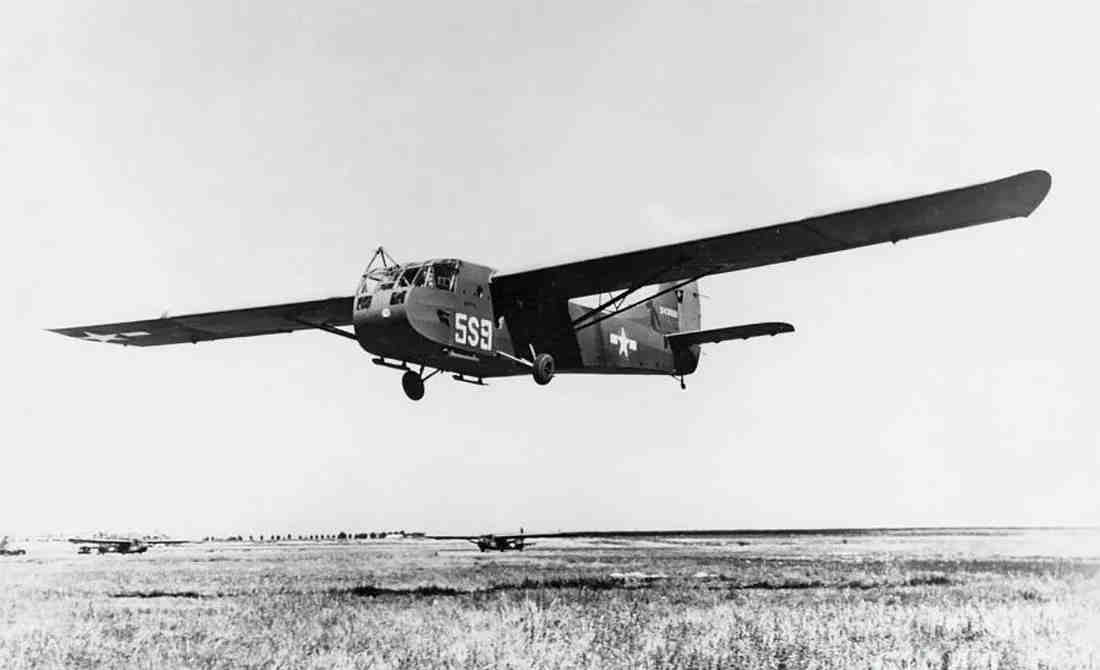
Waco CG-4A glider training at Fort Robinson, SD (image courtesy of the Nebraska State Historical Society)
In the excellent history museum at Fort Robinson, among the grim relics of the Indian Wars, a familiar image caught my eye: a Waco CG-4A.
Built from little more than plywood, canvas, and hope, these fragile gliders were the silent workhorses of D-Day. Their pilots, with the dark humor common to soldiers, called them “flying coffins.”
It is strange to imagine those spacious Nebraska skies once crowded with gliders —flown by young men learning how to land under enemy fire without engines, instruments, or a second chance.
I had seen one of these gliders in Dover, DE. At the Air Mobility Command Museum, a beautifully restored model sits with its nose hinged open like the jaw of a whale, revealing a Jeep ready to drive out the instant the skids touched ground.
That open nose brought back a memory from twenty years earlier, in my stained-glass studio in Tucson.
One morning, an elderly couple walked into the shop. At first glance, I assumed they were in their seventies. The gentleman, in particular, had bright eyes and an energetic manner that immediately caught my attention.
"Hi, how are you today?" I asked.
"Not so good," he replied. "My insurance company refused to cover me when I turned 96 years old, so I can’t fly my Cessna anymore."
I stared at him in astonishment. No glasses. No hearing aids. A full head of hair. He looked fitter than men thirty years younger.
"How long have you been flying?" I asked.
"I was in the Army Air Forces during the war," he said casually. "I flew gliders on D-Day."
That sentence changed the atmosphere in the room.
I knew enough about veterans to understand that they rarely spoke about combat unless someone asked carefully — and listened properly.
"Those gliders were just canvas over plywood, weren’t they?" I said. "Would you mind telling me about it?"
He nodded.
"You’re from England, aren’t you?"
I told him I was.
"Then maybe you know Membury, near Swindon? That’s where we took off, early on June 6th. A C-47 towed us across the Channel."
He spoke calmly, almost matter-of-factly, as though he were describing a routine delivery rather than one of the largest military operations in history.
Eisenhower had staked the invasion on a narrow window of June 6, gambling that a brief clearing in the storm would provide enough light to guide the Allied gliders to their marks. But as the hour approached, the sky refused to cooperate.
"We were supposed to land by moonlight at four in the morning, but the clouds never cleared."
He described the strange silence after release — no engine noise, only wind against canvas.
"Even in the dark, I could make out the silhouette of the tow plane after they cut us loose, so I got my bearings that way. We were heading for a field about five miles inland from Utah Beach."
"I made a pretty good landing," he said. "Then suddenly the glider veered hard right and stopped."
The Germans had planted heavy wooden poles in the fields to destroy incoming gliders — obstacles Allied troops called "Rommel’s asparagus."
"We hit a couple of them. Before I’d even gathered myself, the nose swung open and a Jeep full of soldiers drove out."
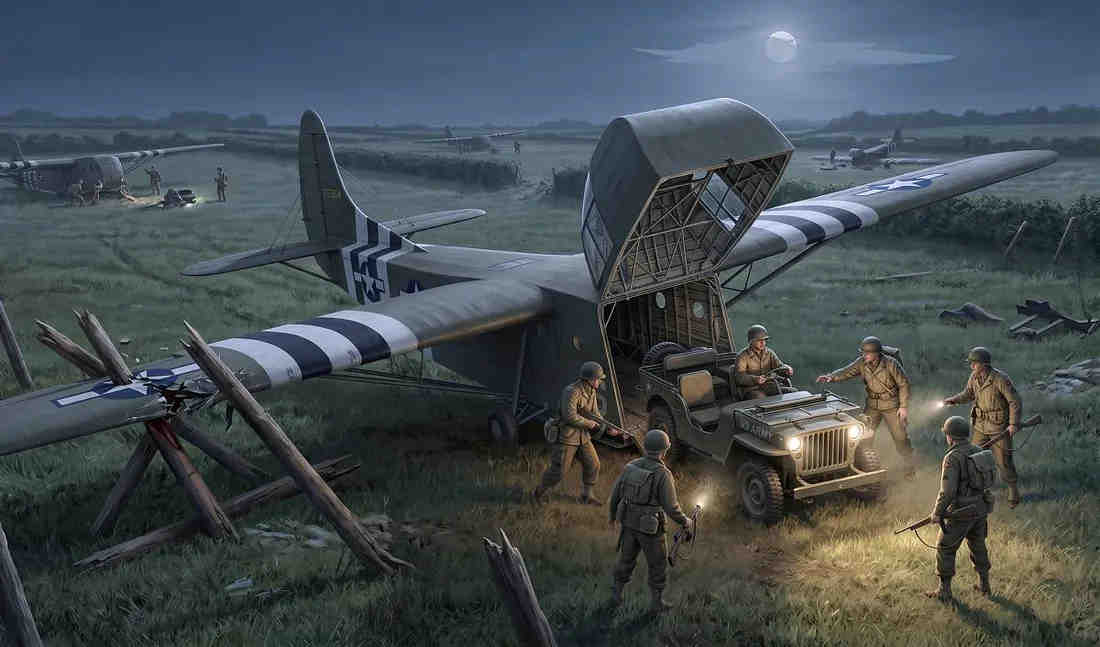
Waco glider unloading US soldiers from the 101st Airborne, with their Jeep (recreated by AI — prompted by author)
For a moment I could picture the entire scene: the wrecked glider in a Normandy field, armed men pouring into the darkness, the chaos of D-Day unfolding around them.
He told me he eventually made his way back through the fighting, with the help of paratroopers, and returned to England.
"There were over five hundred gliders involved during the first forty-eight hours," he added, and for the first time I caught a trace of pride in his voice.
The reason for his visit, however, was not simply to reminisce.
He reached into his pocket and handed me a photograph of a Waco glider. He wanted a stained-glass window made for his family — a permanent remembrance of the aircraft that had carried him into France.
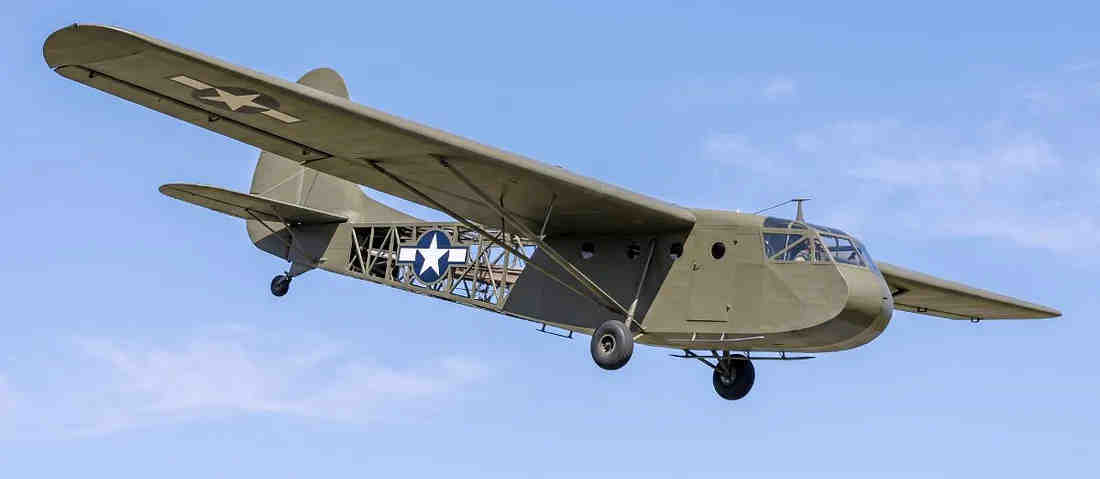
The Waco CG-4A glider
She smiled with pride.
"Officially, the ‘G’ stands for glider. But we always say it stands for guts."
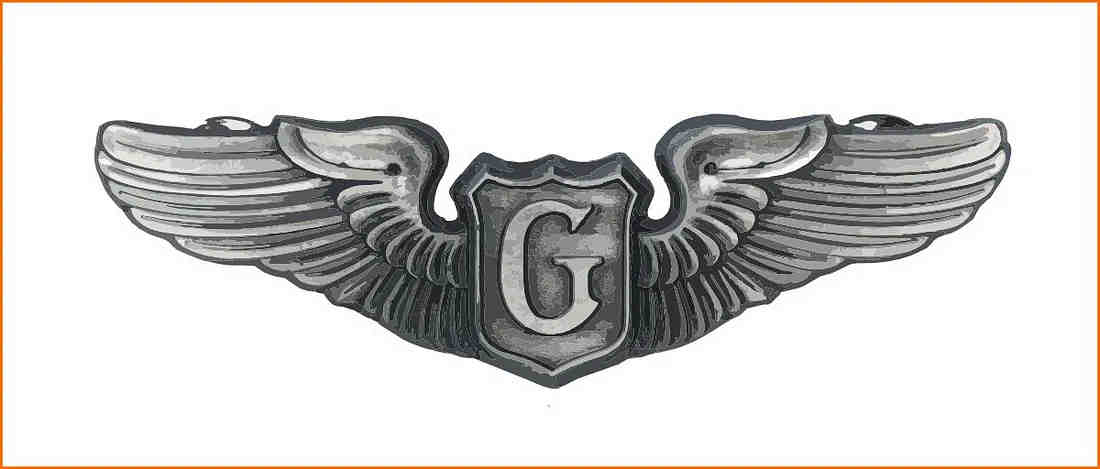
Glider Pilot’s Wings (image by author)
In the stained-glass business, you work on many beautiful commissions. Churches. Memorials. Family heirlooms.
But few projects ever felt more meaningful than recreating that fragile aircraft in glass.
It was more than a window.
It was a tribute to a member of the Greatest Generation. A man who, at 96 years old, was still angry that someone had told him he could no longer fly.
You can read the original essay here:
The Man Who Flew Without Enginesby John Wakefield | Crow’s Feet: Life As We Age
John Wakefield is a retired exploration geologist and university professor who spent thirty-eight years as a glass artist in Tucson. He now journeys across the American West in a truck camper named Diogenes, documenting cultural history and personal memoirs.
Portfolio & Travels: linktr.ee/jwakeart
~~~~~~~~~~
In Memoriam
Arthur A. Beal
1917-2015
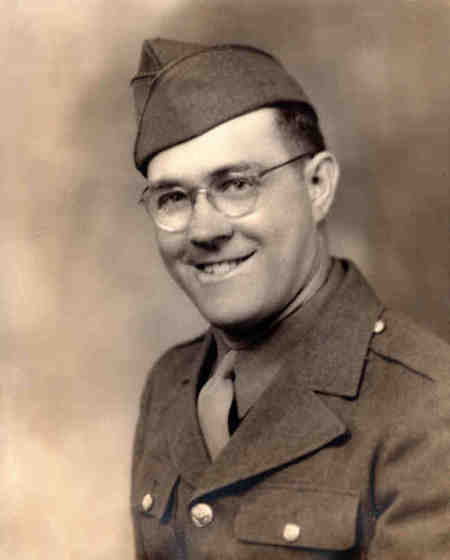
Father to Charlotte and Elizabeth
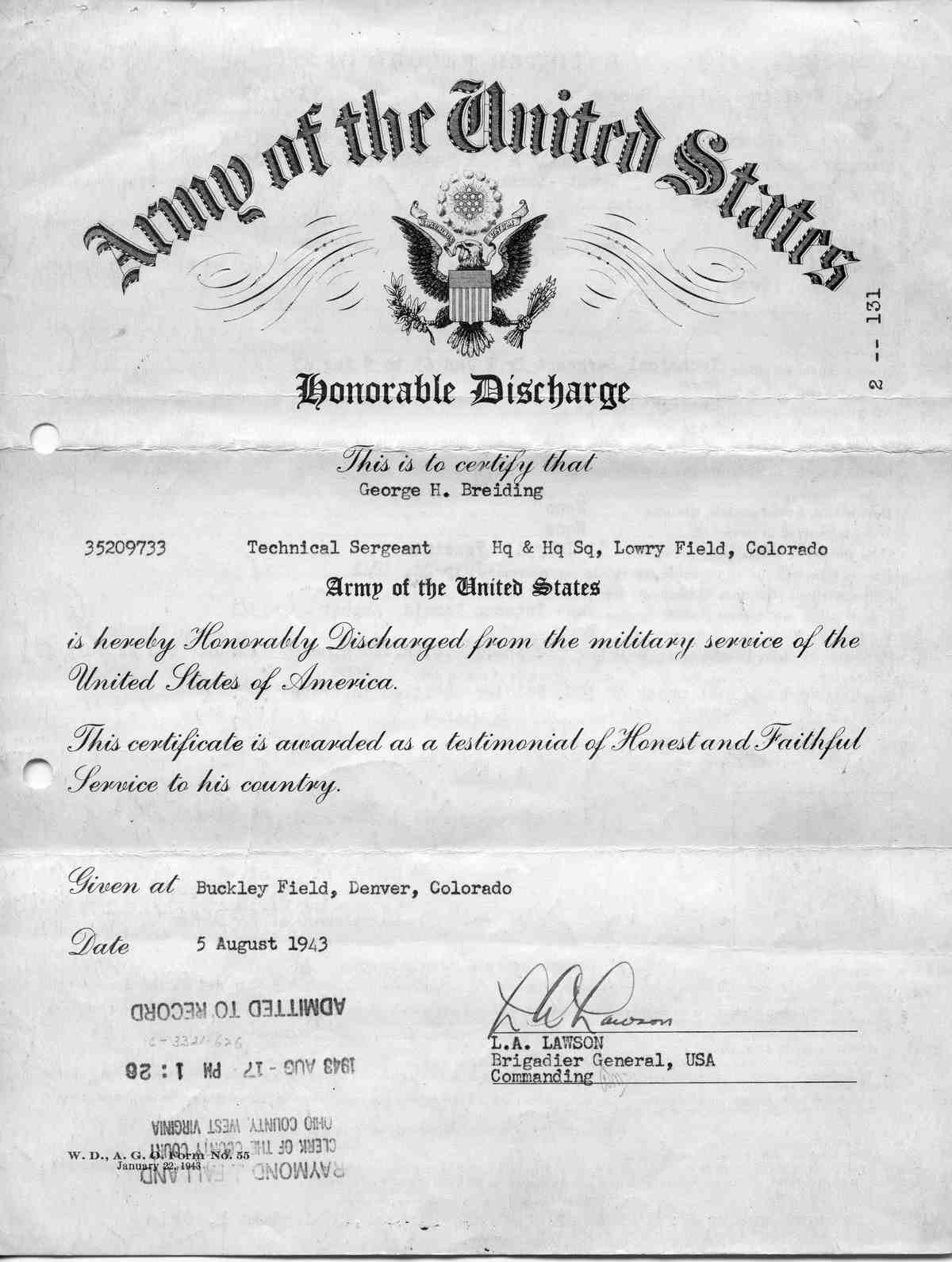
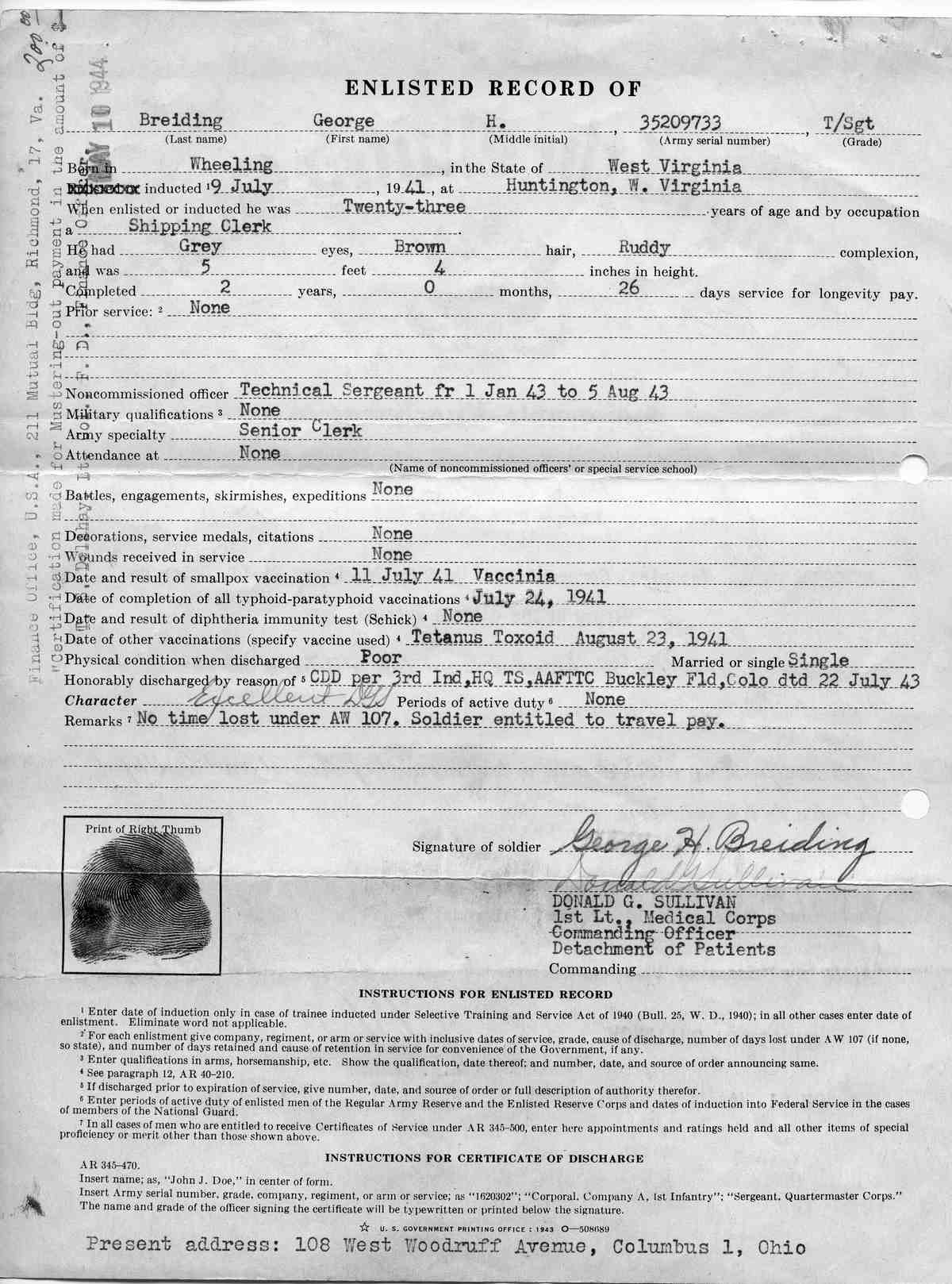
George H. Breiding
1917 - 2007
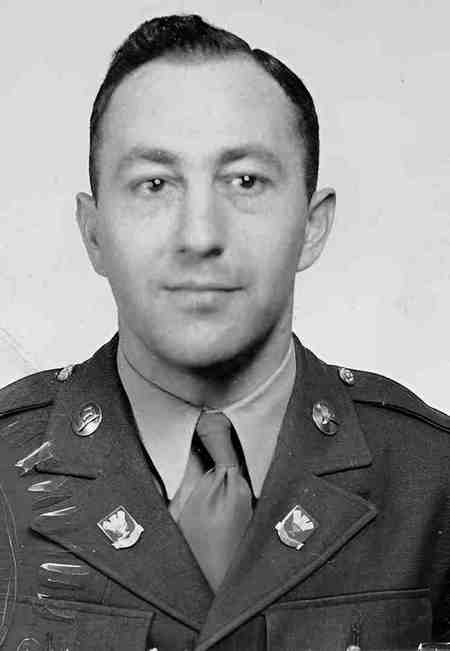
Father to Joan, Susan, Sutton, Michael, Wayne, William
Discharge Papers
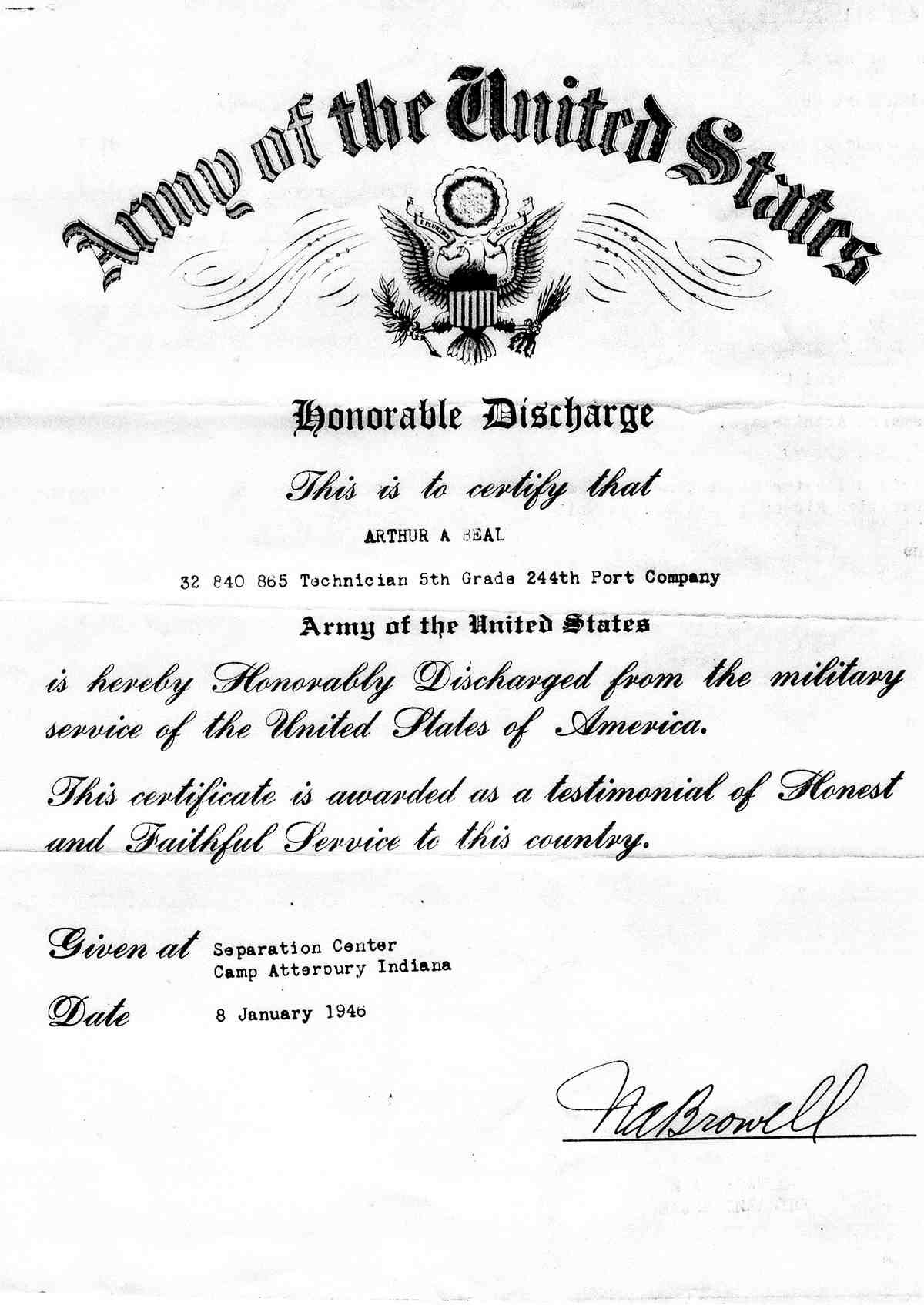
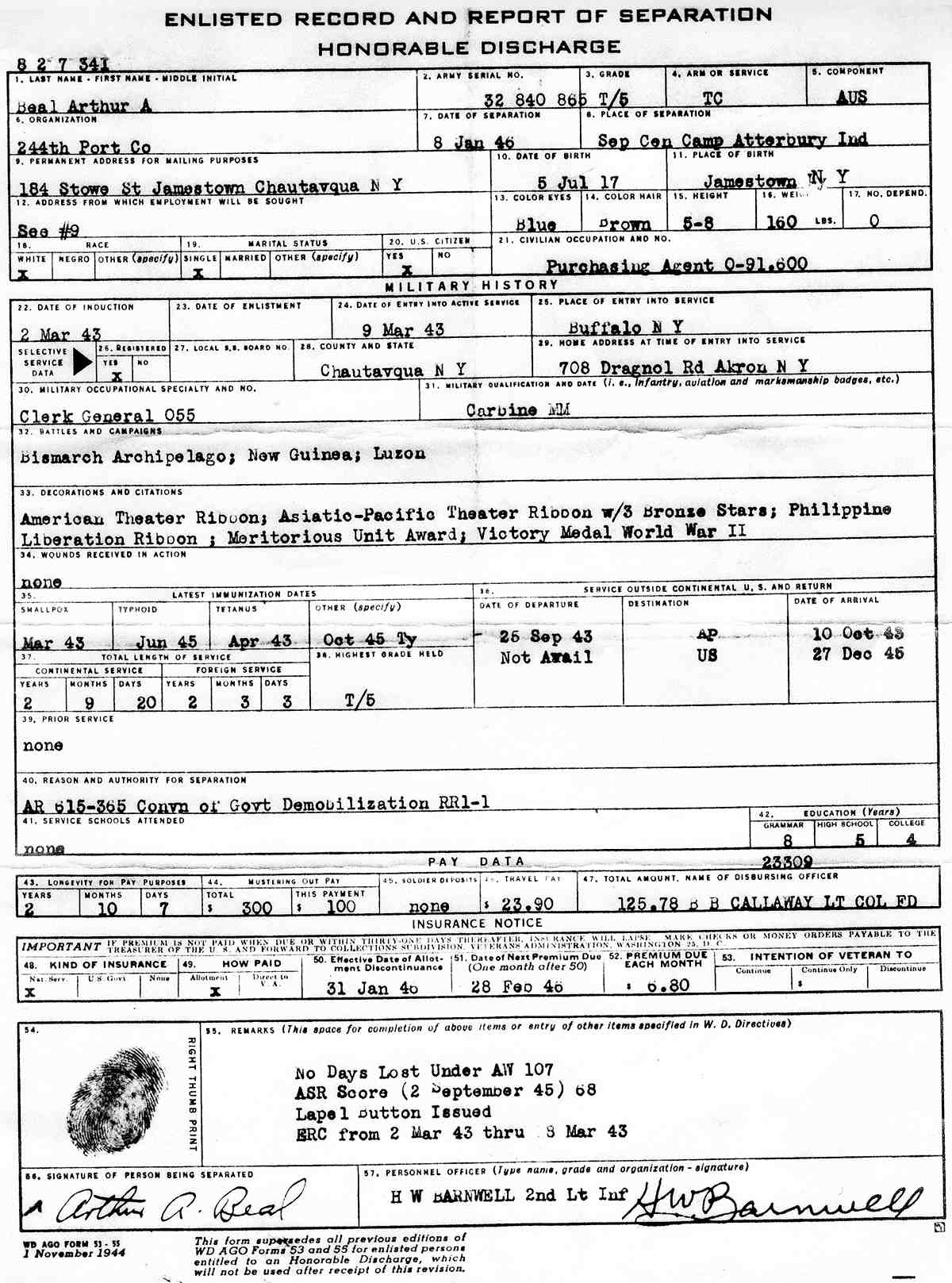
"We weren't heroes"." ~ Art Beal
~~~~~~~
"Only the dead have seen the end of war"
~George Santayana
Published Memorial Day 2026